Fukuromachi Elementary School Peace Museum
袋町小学校平和資料館
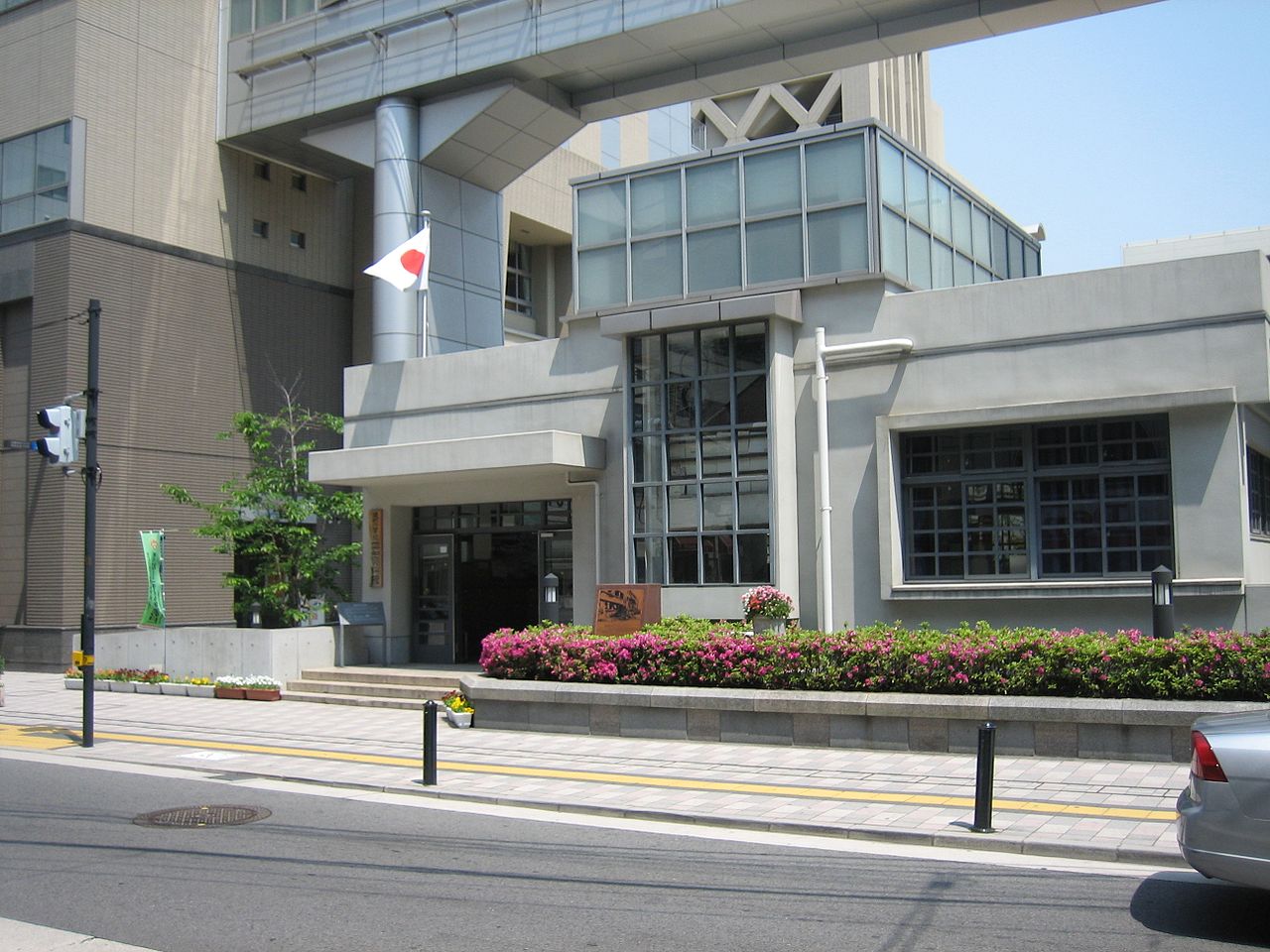
A hibaku (A-bombed) building located just 460 meters from the hypocenter, where the reinforced concrete West Building of Fukuromachi National School survived the atomic bombing of August 6, 1945. The charred interior walls preserve chalk messages written by survivors desperately seeking missing family members, rediscovered decades later behind plaster during renovation. Opened as a peace museum in April 2002.
Images


History
The Fukuromachi Elementary School Peace Museum preserves part of the West Building of the former Hiroshima Municipal Fukuromachi National School (広島市立袋町国民学校), a reinforced concrete structure completed in early 1937. Located just 460 meters from the atomic bomb's hypocenter in Naka-ku, Hiroshima, the school was among the closest educational institutions to ground zero on August 6, 1945.
When the uranium bomb "Little Boy" detonated at 8:15 AM, all wooden school buildings collapsed and burned instantly. The reinforced concrete West Building, however, retained its structural shell despite severe blast and fire damage. Most pupils had been evacuated, but nearly all of the roughly 160 pupils and 16 staff who were at school that morning were killed. In the chaotic aftermath, the gutted building became an emergency first-aid station and evacuation shelter for the surrounding neighborhood.
The most historically significant feature of the building is the chalk messages (被爆伝言, hibaku dengon) written on its fire-blackened interior walls. Survivors — many desperately searching for missing family members — used fragments of chalk scattered on the classroom floors to write messages on the soot-covered concrete walls and staircase surfaces. These poignant inscriptions served as an improvised message board in the days following the bombing, recording names, locations, and pleas for information about the missing.
Classes resumed in May 1946 under dire conditions: 37 students and 3 teachers held lessons using wooden boxes on straw floor mats as desks, with burnt wood pieces painted black serving as makeshift chalkboards. Over the following decades, the chalk messages were inadvertently concealed — hidden behind replacement blackboards or buried under layers of whitewash and fresh plaster during successive renovations.
The messages were dramatically rediscovered when the aging building underwent planned demolition and reconstruction. Workers found the inscriptions preserved behind blackboards and beneath plaster layers, prompting the decision to preserve the West Building rather than demolish it entirely. Following a preliminary public exhibition in August 2001, the Fukuromachi Elementary School Peace Museum officially opened in April 2002, incorporating the preserved basement and ground-floor sections of the original West Building into the newly reconstructed school complex.
The museum spans three exhibition levels. The basement displays original blast-damaged doors, windows, and structural elements, along with a video presentation (with English subtitles) documenting the school's role as a makeshift medical facility. The ground floor features preserved and reproduced wall inscriptions — the chalk messages that survivors wrote while searching for loved ones. The upper level preserves ceiling surfaces still blackened by the atomic blast's soot. The museum is designated as one of Hiroshima's official hibaku tatemono (被爆建物, A-bombed buildings) and serves as a powerful testament to both the human cost of the atomic bombing and the resilience of its survivors.
Categories
Related themes
Sources
- 袋町小学校平和資料館|Dive! Hiroshima(広島県観光連盟)Website
- 広島市立袋町小学校 - WikipediaWebsite