Himeyuri Monument & Himeyuri Peace Museum
ひめゆりの塔・ひめゆり平和祈念資料館
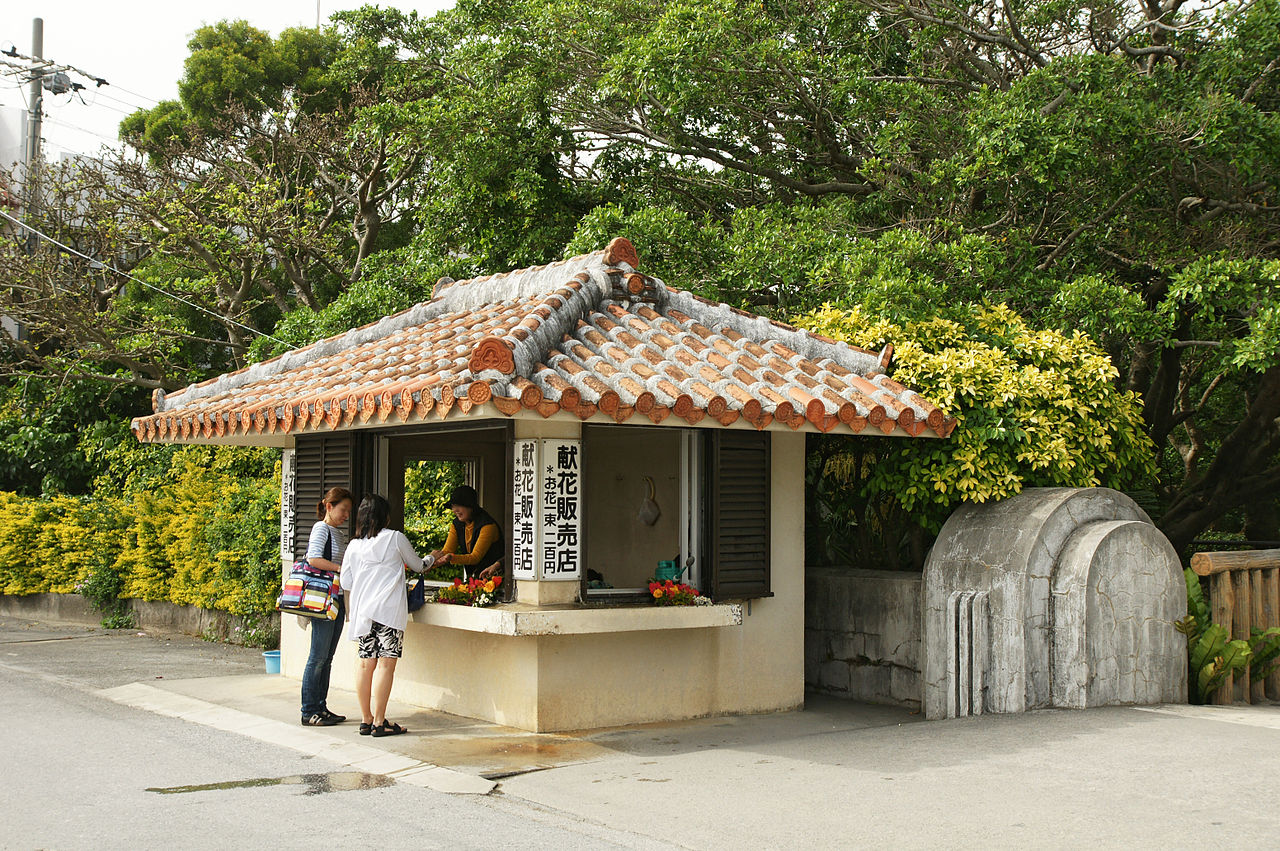
Memorial and museum commemorating the 136 Himeyuri Student Corps members — schoolgirls and teachers mobilized as frontline nurses during the 1945 Battle of Okinawa — who perished in the final weeks of the war.
Images


History
The Himeyuri Monument and the Himeyuri Peace Museum stand at Ihara in Itoman, at the southern tip of Okinawa Island, on the site of the Third Surgery Cave of the Okinawa Army Hospital. The "Himeyuri Student Corps" was formed from students and teachers of the Okinawa Normal School Women's Division and the Okinawa First Prefectural Girls' High School; the name comes from the title of the schools' alumnae magazines.
On the night of 23 March 1945, as the American assault on Okinawa began, 222 students led by 18 teachers were mobilized to the Okinawa Army Hospital at Haebaru as nursing assistants. The hospital occupied nearly forty tunnels cut into the hillside, where the girls tended the wounded and carried food and the dead under fire. When the Japanese army abandoned Shuri and withdrew south in late May, the hospital moved with it and was dispersed among natural caves around Ihara.
On 18 June the army abruptly issued a dissolution order, telling the students to leave the caves on a battlefield already encircled by US forces. On 19 June the Third Surgery Cave was attacked and 87 of the 96 people inside were killed. Of the 240 who had been mobilized, 136 died — 123 students and 13 teachers — and 117 of those deaths, about 86 percent, came after the dissolution order. Ten teachers and students died by collective suicide on the Arasaki coast.
The Himeyuri Monument was unveiled above the Third Surgery Cave on 7 April 1946, on the initiative of Kinjo Washin and others, making it one of the earliest memorials on the island. Later novels and films made it the best known of Okinawa's many war memorials.
The museum, created by survivors and the alumnae association, opened on 23 June 1989, Okinawa's Memorial Day. Wartime photographs, belongings, portraits of the dead and survivors' testimony explain how the students were mobilized and what happened to them. As the survivors aged, the exhibition was renewed in 2004 and again in 2021, shifting from in-person witness accounts to recorded and written testimony.
Categories
Related events
Related themes
Sources
- ひめゆり学徒隊 - Wikipedia(日本語)Website
- ひめゆりの塔 - Wikipedia(日本語)Website