Yamato Museum (Kure Maritime Museum)
大和ミュージアム(呉市海事歴史科学館)
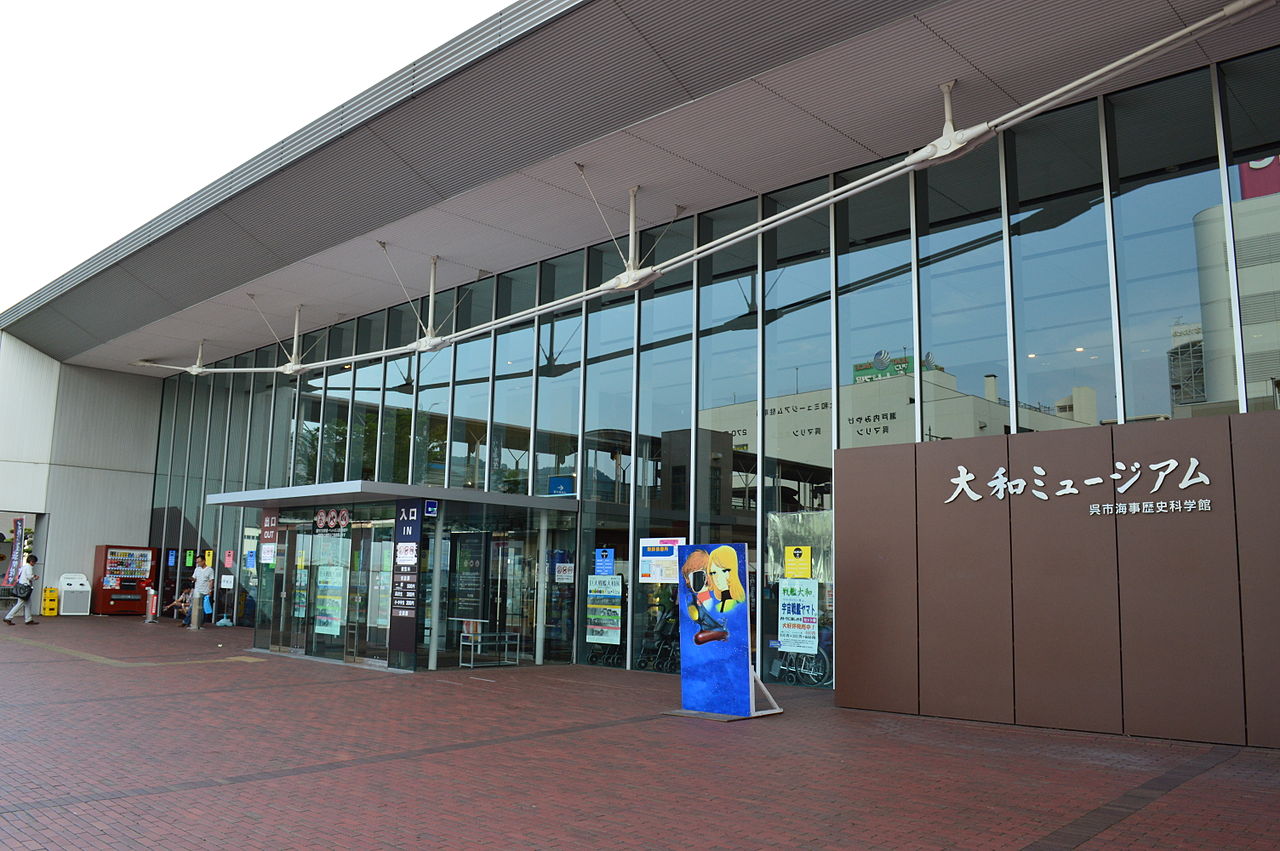
The Yamato Museum in Kure features a 26.3-meter 1/10 scale model of the battleship Yamato, Zero fighter aircraft, Kaiten human torpedoes, and artifacts from Japan's largest wartime naval shipbuilding center.
Images


History
The Yamato Museum, formally the Kure Maritime Museum, stands in Takara-machi, Kure, Hiroshima Prefecture, and opened on 23 April 2005. It lies close to the site of the former Kure Naval Arsenal. Kure had been the Imperial Japanese Navy's largest shipbuilding base since a naval district was established there in the Meiji era, and the battleship Yamato was built here. Taking the Yamato as its symbol, the museum presents the history of Kure's shipbuilding and steelmaking technology and its relationship to war and to postwar industrial recovery.
The centrepiece is a 1/10 scale model of the Yamato, 26.3 metres long, built by a local Kure shipyard and revised as new documents and survey results emerge. The large-objects gallery displays a Type 62 Zero fighter, a prototype Type 10 Kaiten human torpedo and a Kairyu midget submarine. Outdoors are items salvaged from the battleship Mutsu, including a main gun barrel, anchor, propeller and rudder. Across the road is the JMSDF Kure Museum, opened in 2007, with the retired submarine Akishio. Cumulative attendance had reached 14 million by October 2019.
The museum closed for major renovation on 17 February 2025 and, after about fourteen months, reopened on 23 April 2026, its twenty-first anniversary. The 1/10 model was updated to reflect recent underwater surveys of the wreck — for example, the size of the chrysanthemum crest on the bow was corrected. The third-floor science and technology gallery was completely renewed, adding a Homare aero engine found in the United States and a Kasei engine donated by the Smithsonian Institution, and the shop and ticket counter were moved outside to ease crowding.
The Yamato Museum is among Japan's most visited war and maritime museums. Its displays combine material relating to the dead, such as crew members' last letters and belongings, with an emphasis on the history of technology, setting the building and loss of one battleship within the modern history of a naval port city. Opening hours and closing days follow the museum's announcements.
Categories
Related events
Related themes
Sources
- 呉市海事歴史科学館 - Wikipedia(日本語)Website