Zuoying Naval Base (Former 6th Naval Fuel Arsenal)
左営軍港・第六海軍燃料廠
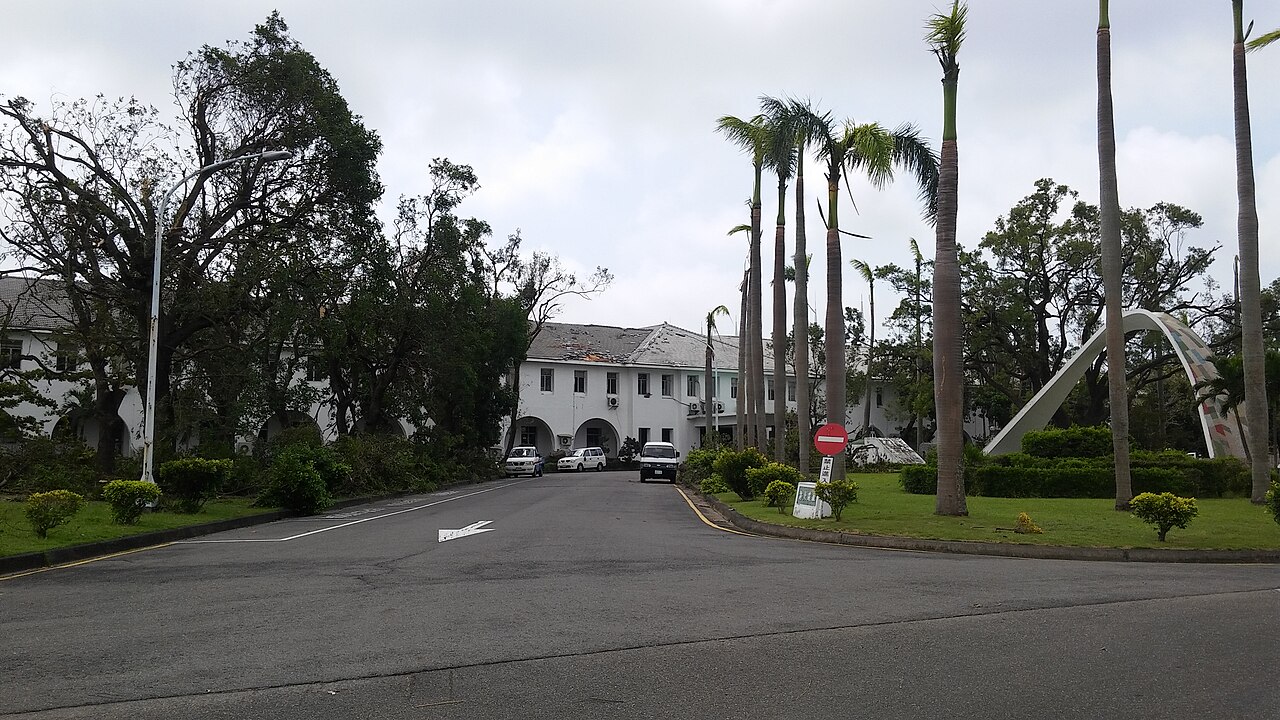
The Imperial Japanese Navy's largest base in Taiwan, established at Zuoying (Toshien/左營) in southern Takao (Kaohsiung). Headquarters of the Takao Guard District from April 1943, the complex included the 6th Naval Fuel Arsenal (第六海軍燃料廠), which was established on 1 April 1944 to produce aviation fuel and other petroleum products. Bombed by US aircraft from October 1944 onward. Now the Republic of China Navy's largest naval base and home to the ROC Fleet Command.
Images


History
Zuoying Naval Base (海軍左營基地, formerly known as Toshien/左營 Military Port) is the Republic of China Navy's largest installation, located in Zuoying District, Kaohsiung, in southern Taiwan. Its origins lie in the Imperial Japanese Navy's strategic expansion into colonial Taiwan during the 1930s and 1940s.
The Japanese Navy initially established its principal Taiwan headquarters at Magong (馬公) in the Pescadores Islands, designating it the Mako Guard District (馬公警備府). However, as the Pacific War intensified and the strategic center of gravity shifted, the command was transferred to Zuoying in southern Takao (高雄) on 1 April 1943, and redesignated as the Takao Guard District (高雄警備府). The Japanese authorities forcibly relocated all residents within the old Fengshan walled city (鳳山舊城) and surrounding areas to clear land for the massive naval complex, declaring the zone from Mituo's Laodi Mountain (彌陀庄漯底山) to Zuoying's Taoziyuan (桃子園) as restricted military territory, absorbing Banpingshan (半屏山), the old Zuoying city walls, and Guishan (龜山) into the military reservation.
The most significant industrial component was the 6th Naval Fuel Arsenal (第六海軍燃料廠), formally established on 1 April 1944 under the Takao Guard District. The main plant (高雄總廠) was constructed on confiscated sugarcane fields and civilian land at the foot of Banpingshan, in what is now the Houjin (後勁) area of Nanzi District. Crude oil was transported from the South China Sea to Zuoying Military Harbor via tanker, then piped to the refinery where it was processed into aviation fuel, isooctane, and other petroleum products essential for IJN air operations. The arsenal also operated branch plants at Hsinchu (新竹支廠) and Shinkō (新高支廠, at Kiyomizu in Taichū Prefecture).
Allied intelligence designated the facility the 'Toshien Oil Refinery,' and it became a priority bombing target. US land-based bombers attacked the refinery repeatedly in the spring and summer of 1945. These raids, following the carrier strikes on the Takao area that began on 12 October 1944 during the Formosa Air Battle (台湾沖航空戦), badly damaged the port and refinery, although defensive works around the plant reduced bombing accuracy and part of the installation survived; the arsenal dug cave shelters into Banpingshan and was planning to move equipment to its Hsinchu branch when the war ended.
The Takao Guard District was led successively by Vice Admirals Takeo Takagi (高木武雄), Masakuni Yamagata (山縣正郷), Ryozo Fukuda (福田良三), and finally Kiyohide Shima (志摩清英, appointed 10 May 1945), who oversaw the district's dissolution on 30 April 1946.
After Japan's surrender, the Republic of China took control of the facilities. In September 1949, the ROC Naval Academy (海軍軍官學校) was relocated from Xiamen, Fujian Province, to Zuoying. The former 6th Naval Fuel Arsenal's main refinery was taken over by Chinese Petroleum Corporation (中國石油公司, now CPC Corporation) and expanded into the Kaohsiung Refinery (高雄煉油廠), which operated until its closure in 2015. Military dependents' villages (眷村) sprang up around the base, housing KMT soldiers and their families who had fled mainland China after the Chinese Civil War.
Today, Zuoying Naval Base hosts the ROC Navy Fleet Command (海軍艦隊指揮部), the 1st Naval District headquarters, the Naval Academy, the Zuoying Naval Airfield (equipped with S-70C anti-submarine helicopters and 500MD helicopters), and the Zuoying Naval Shipyard. The Story House of Naval Base Zuoying (左營軍區故事館), opened in the Sihai Yijia (四海一家) compound originally built in 1950, presents the base's history from the 17th century through Japanese colonial rule to the present. Surviving structures from the 6th Naval Fuel Arsenal — including the former headquarters building (原日本第六海軍燃料廠總辦公廳), oil storage tanks, Type-D officer dormitories (丁種官舍), and air-raid shelters — have been designated as municipal monuments and historic buildings by the Kaohsiung Bureau of Cultural Affairs, preserving tangible reminders of Taiwan's wartime industrial heritage.
Categories
Related themes
Sources
- 高雄警備府 - WikipediaWebsite
- 日本海軍第六燃料廠 - 維基百科Website