Hakodate Seikan Ferry Memorial Ship Mashu Maru
函館市青函連絡船記念館摩周丸
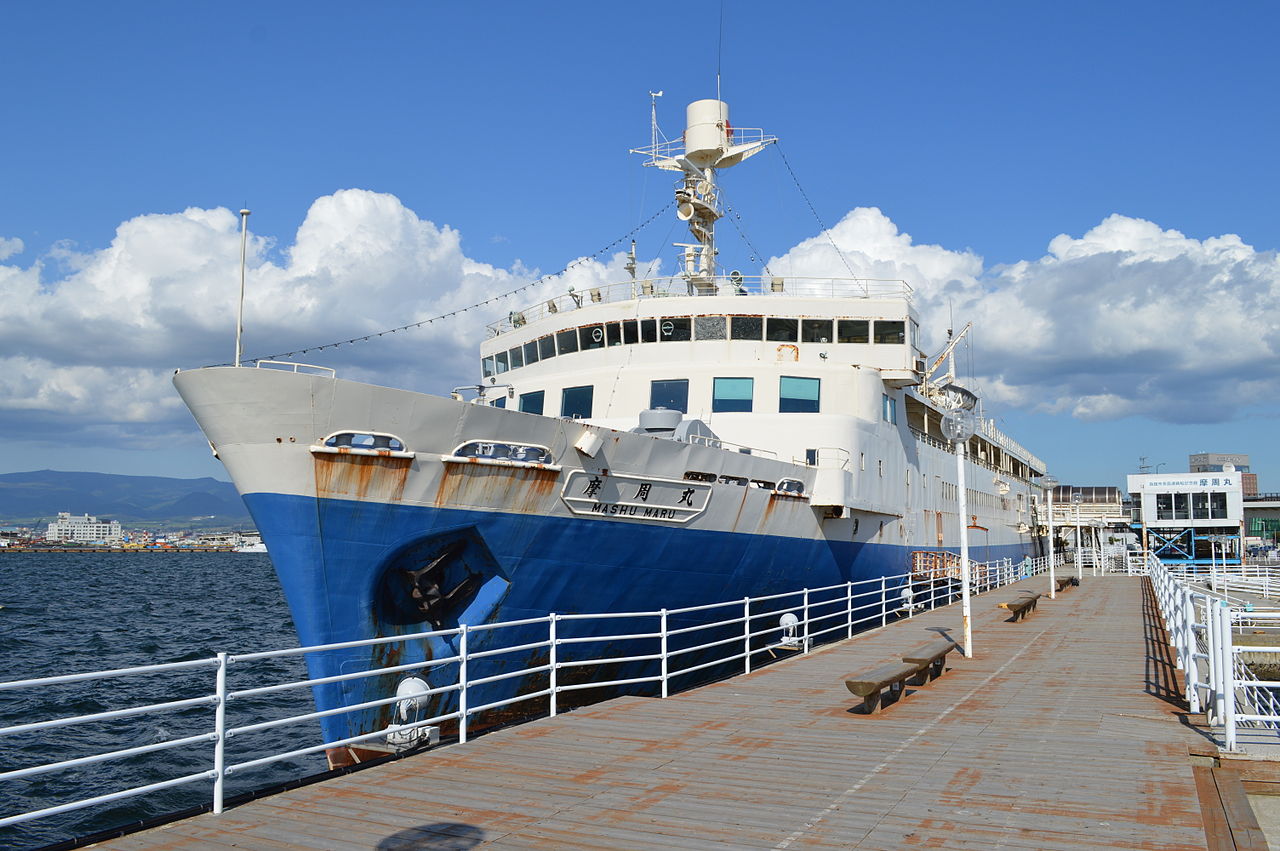
The former Seikan railway ferry Mashu Maru, which made her last crossing in 1988 and has been moored at Hakodate Port as a museum ship since 1991, now serves as a floating museum documenting the 80-year history of the Seikan ferry service, including the catastrophic July 1945 US air raids that destroyed the entire ferry fleet and severed Hokkaido from Honshu.
Images


History
The Hakodate Seikan Ferry Memorial Ship Mashu Maru (函館市青函連絡船記念館摩周丸) is a museum ship permanently moored at the former Pier 2 of Hakodate Port, adjacent to JR Hakodate Station. The Mashu Maru was the last generation of Seikan railway ferries, built in 1965 and operating until March 13, 1988, when the opening of the Seikan Tunnel rendered the ferry service obsolete.
The museum preserves the ship's original wheelhouse and radio room, and houses extensive exhibits on the 80-year history of the Seikan ferry service (1908-1988). A critical section of the museum is devoted to the wartime destruction of the ferry fleet: on July 14-15, 1945, US Navy carrier-based aircraft from Task Force 38 attacked the Tsugaru Strait, sinking or disabling all 12 Seikan ferries. The raids killed 352-424 people and completely severed the vital coal supply line from Hokkaido to Honshu, reducing shipments by 80% and crippling Japan's industrial production in the final weeks of the war.
The museum also documents the 1954 Toya Maru typhoon disaster, in which five ferries sank in Hakodate Bay with the loss of 1,430 lives — one of the worst maritime disasters in history. These two catastrophes bookend the most tragic chapter in the ferry service's history.
The Mashu Maru offers visitors panoramic views of Hakodate Bay from the upper decks, and the preserved Showa-era interiors provide a vivid sense of the era when the ferry was Hokkaido's primary connection to the rest of Japan.
Categories
Related themes
Sources
- 函館市青函連絡船記念館摩周丸 - WikipediaWebsite
- 青函連絡船 - WikipediaWebsite