Nagoya POW Camp
名古屋俘虜収容所
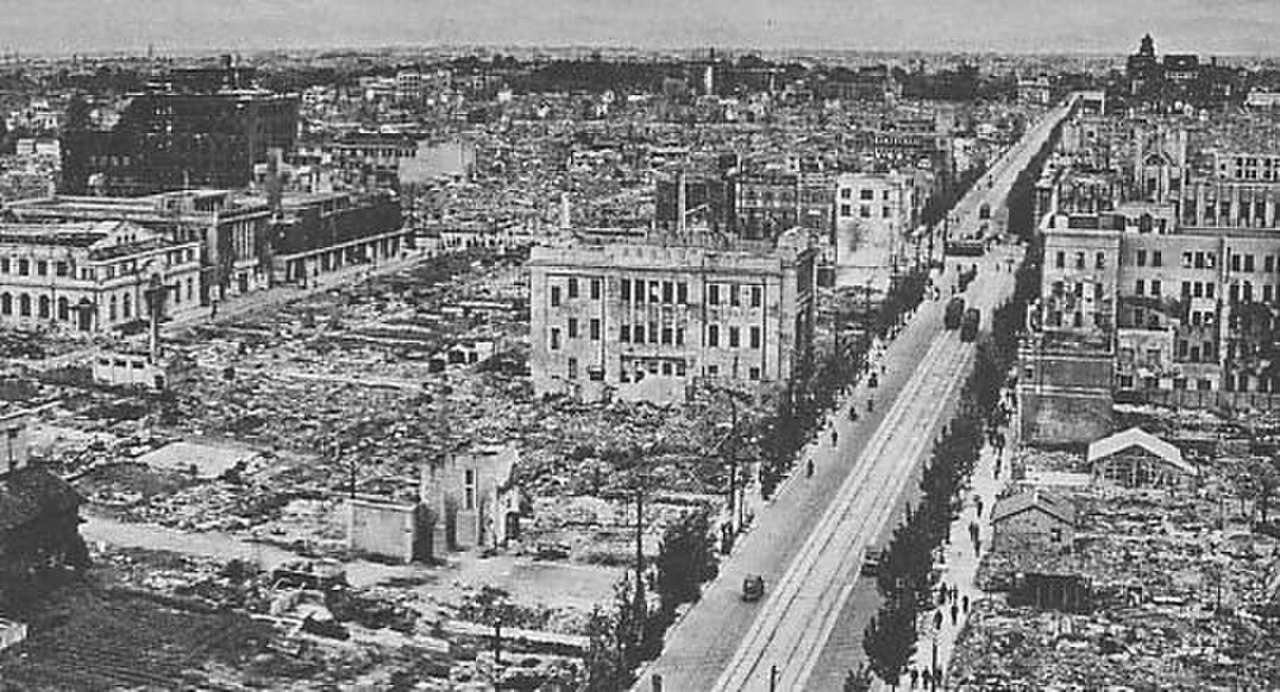
The Nagoya POW Camp was a Japanese prisoner-of-war camp system established in the Nagoya area of Aichi Prefecture during World War II. The main camp headquarters was set up in Taisei National School in Nagoya, where the Tōkai Army headquarters was then located, on April 5, 1945, as part of a nationwide reorganization of POW administration. The Nagoya camp group administered multiple branch camps across the Chubu region where Allied prisoners — primarily American, British, Dutch, and Canadian servicemen — were subjected to forced labor at munitions factories, railway workshops, and mining operations run by major Japanese corporations including Nippon Sharyo (Nippon Rolling Stock Company), Mitsui Mining, and Ishihara Sangyo. About 3,300 Allied prisoners were held in the eleven branch camps of the Nagoya camp system at the end of the war.
Images


History
The Nagoya Prisoner-of-War Camp (名古屋俘虜収容所) was one of seven major POW camp groups established across the Japanese home islands during World War II, alongside those at Hakodate, Sendai, Tokyo, Osaka, Hiroshima, and Fukuoka. On April 5, 1945, the Japanese Army reorganized its POW administration and established the Nagoya POW Camp headquarters in Taisei National School in Nagoya City, Aichi Prefecture, where the headquarters of the Tōkai District Army (東海軍管区) was located. The office was burned out in an air raid in May 1945 and moved elsewhere in the city; it held no prisoners itself.
The Nagoya camp system administered eleven branch camps in Aichi, Gifu, Mie, and Toyama prefectures, holding some 3,300 prisoners at the end of the war. The most significant was the Narumi Branch Camp (Nagoya No. 2, formerly Osaka No. 11-B), located at Arimatsu-ura, Narumi-cho, Aichi-gun (present-day Midori-ku, Nagoya City). Established on December 28, 1943, Narumi held 273 Allied POWs at war's end — 189 Americans, 64 British, 11 Canadians, and 9 of other nationalities. Prisoners at Narumi were forced to work at the Nippon Sharyo (Nippon Rolling Stock Company) railway vehicle factory in Atsuta-ku, commuting by train under guard. The Narumi camp produced 22 convicted war criminals in postwar trials, reflecting the severity of mistreatment there.
Another major branch was the Kamioka Camp (Nagoya No. 1-B), situated in the mountains of Gifu Prefecture, where 594 POWs — 320 Americans, 269 Dutch, and 5 British — were enslaved in the Mitsui Mining Company's zinc and lead mines. Conditions in the mines were particularly dangerous, with prisoners forced to perform grueling underground labor while receiving inadequate food and medical care.
Prisoners across the Nagoya camp system endured systematic abuse including chronic malnutrition, forced labor beyond physical endurance, beatings, and denial of medical treatment. Rations were kept at starvation levels, and the harsh winters of central Japan compounded the suffering of men already weakened by tropical diseases contracted in Southeast Asia and the Pacific. Many prisoners had been captured at the fall of the Philippines, Singapore, and the Dutch East Indies before being transported to Japan aboard hellships.
The city of Nagoya itself was a prime target of American strategic bombing due to its concentration of military-industrial facilities. Between December 1944 and July 1945, Nagoya was attacked 21 times by B-29 bombers, with approximately 14,054 tons of bombs dropped on its factories and urban areas. The raids destroyed over 113,000 buildings, killed nearly 4,000 civilians, and displaced more than 470,000 residents. Nagoya Castle, which had served as a military headquarters, was destroyed in the firebombing of May 14, 1945. POWs held in the area were at constant risk from the very bombing raids carried out by their own allies.
Following Japan's surrender on August 15, 1945, Allied recovery teams reached the Nagoya camps and liberated the surviving prisoners. In subsequent war crimes trials, numerous camp personnel were prosecuted for the mistreatment of POWs. In 2015, Mitsubishi Materials Corporation issued a historic apology — the first by a Japanese company — for its use of American POW forced labor during the war.
Today, the former camp sites have been largely redeveloped. The Narumi area in Midori-ku is now a residential district. The Peace Aichi museum (戦争と平和の資料館ピースあいち) in Meito-ku, Nagoya, preserves local wartime history and serves as a memorial to the suffering of both civilians and prisoners during the war.
Categories
Related themes
Sources
- 名古屋大空襲WebsiteWikipedia 日本語版
- POW研究会「日本国内の捕虜収容所」Website