Numazu Air Raid Site
沼津大空襲跡

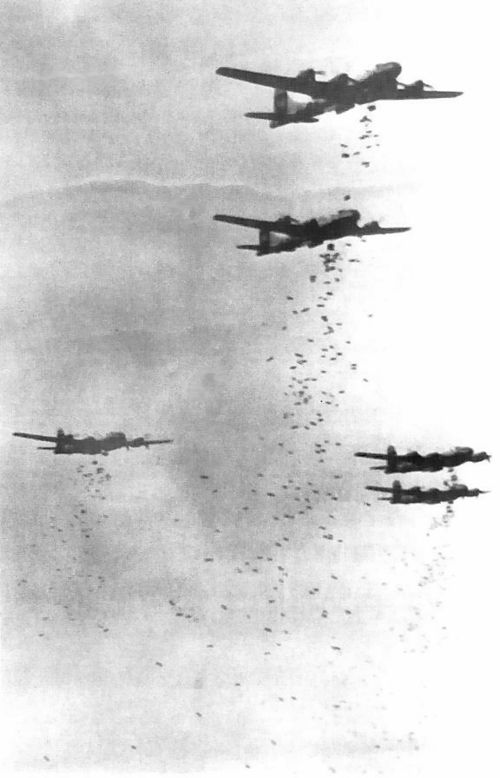
Site of the devastating July 17, 1945 firebombing of Numazu City by 130 B-29 bombers of the USAAF 58th Bombardment Wing. The raid dropped 1,039 tons of incendiary bombs, destroying 9,523 buildings and killing 274 people. The U.S. Strategic Bombing Survey recorded an 89.5% destruction rate — one of the highest of any Japanese city in WWII.
Images


History
The Numazu Air Raid (沼津大空襲) was the largest of eight bombing attacks against Numazu City, Shizuoka Prefecture during World War II. On the night of July 17, 1945, 130 B-29 Superfortress bombers of the USAAF 20th Air Force, 58th Bombardment Wing entered the airspace above Numazu at an altitude of 3,200 meters and unleashed a devastating incendiary attack.
Between approximately 1:00 AM and 3:00 AM, the bombers dropped 9,077 individual incendiary devices totaling 1,039 tons onto the city center. The resulting firestorm rapidly engulfed the densely built wooden urban area. Anti-aircraft batteries positioned on Mount Ashitaka and Mount Kanuki attempted to intercept the bombers but were unable to prevent the destruction. By dawn, 9,523 buildings had been reduced to ashes and 274 civilians lay dead.
Numazu was targeted for several strategic reasons. The city hosted the Numazu Naval Arsenal (沼津海軍工廠) and numerous small and medium-sized factories producing military equipment and munitions. Its port facility included a ship repair yard vital to the Imperial Japanese Navy. The Tōkaidō Main Line railway — the critical transportation artery connecting Tokyo and Osaka — ran directly through the city. Furthermore, Numazu sat at the base of Mount Fuji, a prominent navigation landmark used by B-29 crews flying from the Mariana Islands to targets in Tokyo and Nagoya, making the city a frequent secondary target for bombers unable to complete their primary missions.
The U.S. Strategic Bombing Survey (Pacific War), published one year after the war, recorded that 89.5% of the built-up area of Numazu had been totally destroyed — placing it among the most thoroughly devastated cities in Japan. Over the course of all eight raids during the war, total casualties reached 322 killed, 634 injured, and 11,883 homes destroyed or damaged.
Today, Numazu has been completely rebuilt as a modern city. The former city center around Numazu Station bears no visible trace of the wartime destruction. Memorial services are held annually on July 17 to commemorate the victims of the air raid, and local peace education programs use the history of the bombing to promote reconciliation and remembrance.
Categories
Related events
Related themes
Sources
- 沼津大空襲 - WikipediaWebsite