Ourazaki P-Base (Midget Submarine Base)
大浦崎特殊潜航艇基地(P基地)
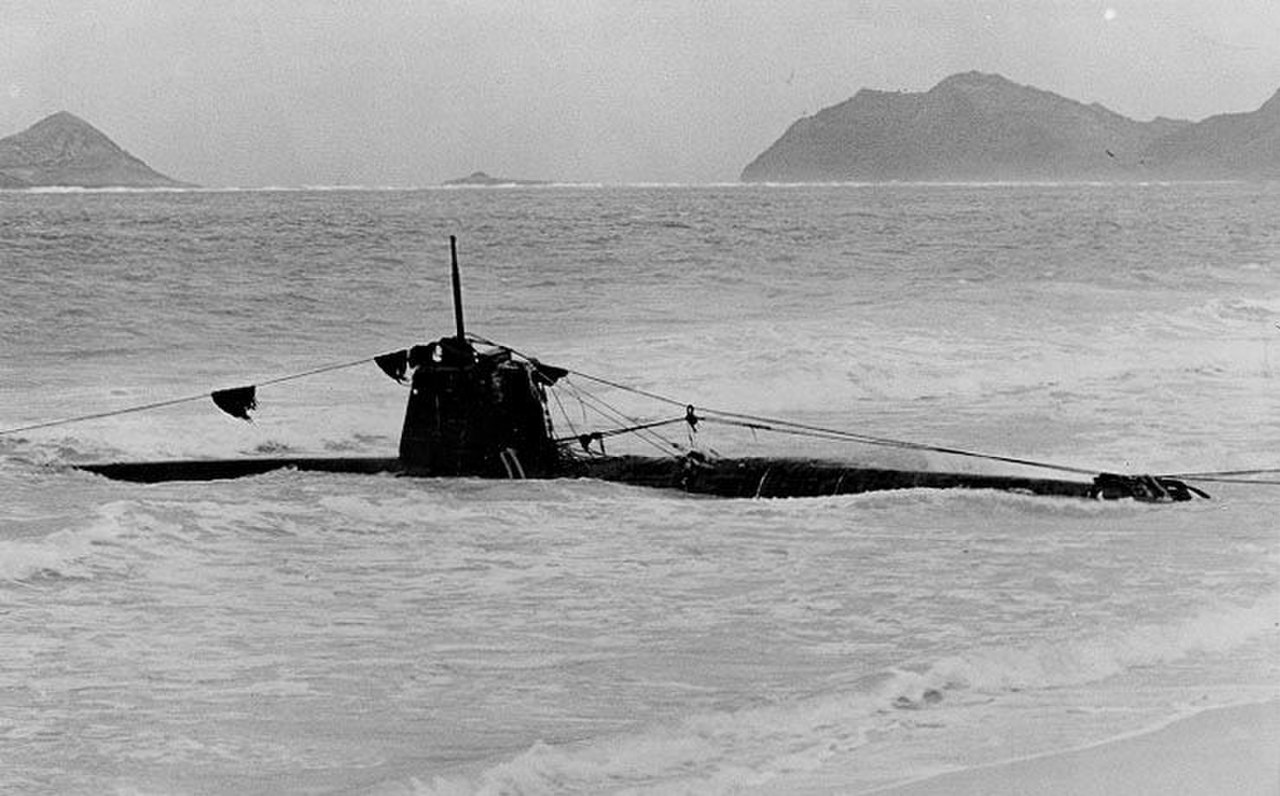
Secret wartime base on Kurahashi Island near Kure where the Imperial Japanese Navy manufactured Ko-hyoteki (Type A) midget submarines and trained approximately 2,600 crew members. The Kure Naval Arsenal branch factory here commenced operations in March 1943, producing the same class of two-man submarines deployed in the Pearl Harbor attack of December 1941. Today the site is Ourazaki Park, with concrete ruins, brick structures, air raid shelters, and gun emplacements still visible.
Images


History
Ourazaki P-Base (大浦崎P基地) was a top-secret Imperial Japanese Navy facility located on the northeastern peninsula of Kurahashi Island (倉橋島), approximately 12 miles south of the major naval port of Kure in Hiroshima Prefecture. The base combined three critical functions: the Kure Naval Arsenal Oura Branch Factory (呉海軍工廠大浦分工場), the Second Special Attack Squadron, and the Tenth Special Attack Squadron's Oura Assault Unit (大浦突撃隊).
Construction began in utmost secrecy in October 1942. By March 1943, the branch factory was operational, specializing in the manufacture of Ko-hyoteki (甲標的, literally 'Target A') Type A midget submarines — the same class of two-man, 24-meter-long vessels that had been deployed in the attack on Pearl Harbor on 7 December 1941. Five Ko-hyoteki were launched from mother submarines during the Pearl Harbor operation, with none returning. Nine of the ten crewmen died and were honored as the 'Nine War Gods' (九軍神) in Japanese wartime propaganda; the tenth, Ensign Kazuo Sakamaki, was captured.
Prior to P-Base's establishment, Ko-hyoteki production had been carried out at the Karasu-Kojima Torpedo Factory, but in fall 1942 manufacturing was transferred to Ourazaki to consolidate production closer to the training grounds. The sheltered waters around Kurahashi Island, protected from the open sea by the surrounding Seto Inland Sea islands, provided ideal conditions for submarine crew training.
The base trained approximately 2,600 personnel — both submarine commanders (艇長) and crew members (艇付) — in piloting the midget submarines. Of these trainees, 439 were killed in action during training exercises and combat deployments throughout the Pacific War. As the war progressed, the facility expanded to include development of later variants, culminating in the Type D Koryu (蛟龍) completed in 1945. Research on the Kaiten (回天) human torpedo was also conducted here as Japan prepared for a final homeland defense.
When training personnel outgrew P-Base's capacity, an overflow facility designated Q-Base (Q基地) was established across the strait at the Osako settlement (大迫集落), providing additional barracks and training areas.
Today, the former P-Base peninsula has been converted into Ourazaki Park (大浦崎公園), a public recreational area with a beach and sports facilities. However, significant wartime remains are scattered throughout the park grounds, including: concrete boundary walls, a brick worker dormitory wall, an emergency generator room built of brick and mortar, a torpedo section storage building, a naval gun emplacement platform with original support columns, multiple air raid shelter entrances, and a water intake facility (now repurposed as the Hiroshima Prefectural Fisheries and Marine Technology Center). A memorial monument, the Shunkoku-no-To (殉国之塔, 'Tower of Martyrdom for the Nation'), was originally erected on the hillside overlooking the former Kure Naval Arsenal but was later relocated to Nabeyama First Park in Kure for safer public access.