Taiwan Shonenko Memorial
台湾少年工記念碑
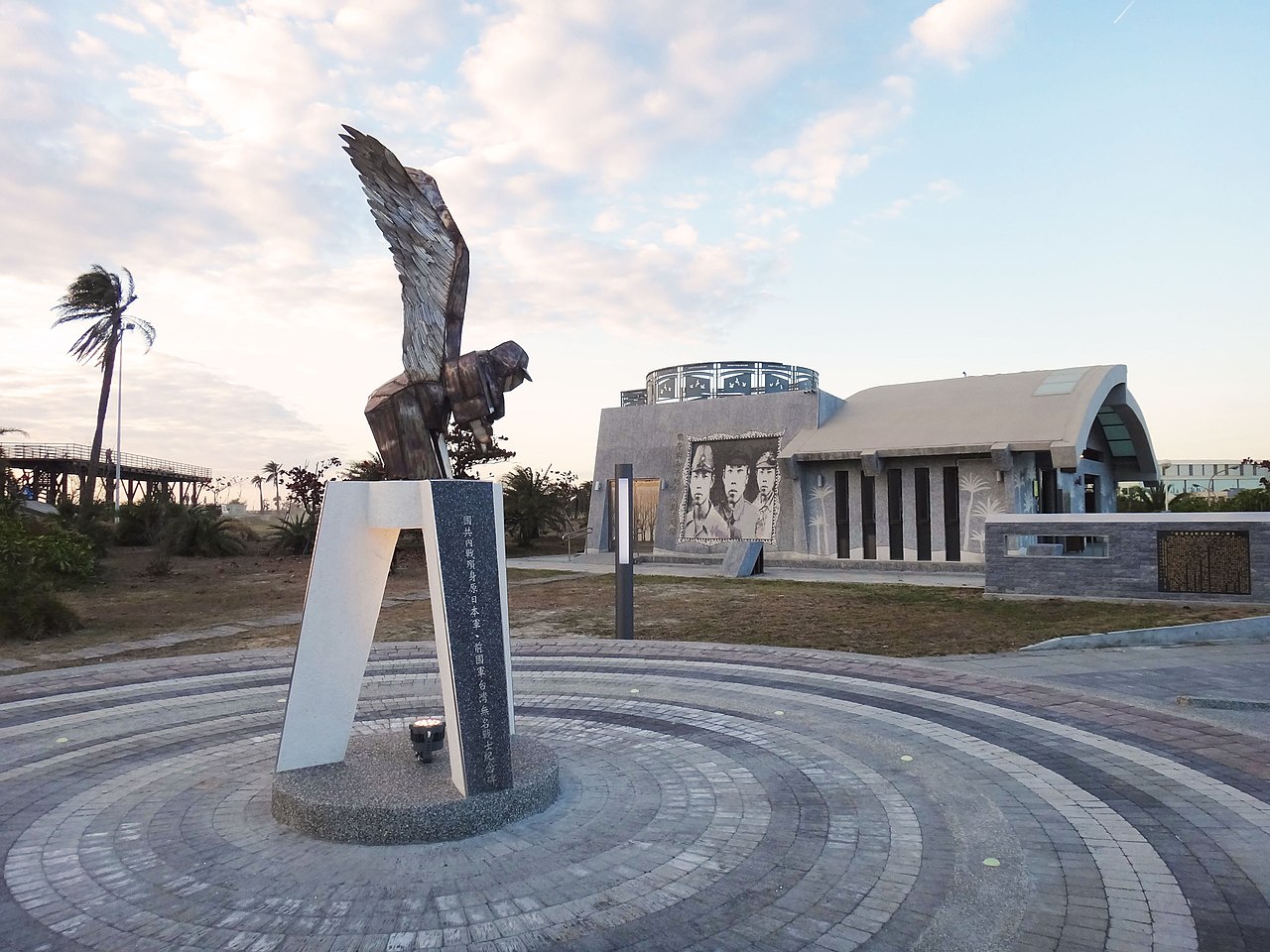
A memorial monument in the War and Peace Memorial Park in Kaohsiung's Qijin District, unveiled in 2023, honoring the approximately 8,400 Taiwanese teenagers (少年工/Shonenko) who were recruited from late 1942 and sent from 1943 onward to work at the Koza Naval Arsenal in Kanagawa Prefecture, Japan, manufacturing Raiden interceptor fighter aircraft during World War II. The boys, aged 12 to 19, left Taiwan from the port of Kaohsiung and endured wartime labor far from home.
Images


History
The Taiwan Shonenko Memorial, unveiled in August 2023 by the Taiwan Koza Association in the War and Peace Memorial Park in Kaohsiung's Qijin District, commemorates one of the most poignant chapters in Taiwan's wartime history. Beginning with recruitment in October 1942 and departures from 1943, the Imperial Japanese Navy recruited approximately 8,400 Taiwanese boys, aged 12 to 19, to work at the Koza Naval Arsenal (高座海軍工廠) in Kanagawa Prefecture, Japan. These young workers, known as Shonenko (少年工), were selected for their academic excellence, good health, and moral character, with parental permission required.
The first contingent of about 1,800 boys departed from the port of Kaohsiung in 1943, sailing to Yokohama before being transported to the arsenal in Yamato and Zama cities. The recruitment was driven by severe labor shortages in Japan as most young Japanese men had been sent to combat zones overseas. The Shonenko were promised junior high school credentials, mechanic training, covered living expenses, and wages in exchange for their labor.
At the Koza Naval Arsenal, the Taiwanese youth workers were tasked with manufacturing the Mitsubishi J2M Raiden ("Thunderbolt") interceptor fighter aircraft, a critical component of Japan's air defense strategy against American B-29 bombing raids. By war's end, the arsenal had turned out more than a hundred aircraft; former workers' accounts put the figure at approximately 128 Raiden fighters. About 400 of the young workers obtained old-system technical secondary school credentials.
After Japan's surrender on August 15, 1945, the Shonenko faced an uncertain future. They returned to Taiwan in early 1946, where they later organized the Taiwan Koza-kai (台灣高座會) alumni association, formed in 1987, the year martial law was lifted, with its first island-wide meeting in June 1988. Commemorative reunions were held at the 50th anniversary (1993, with about 1,200 association members among more than 3,000 participants), 60th anniversary (2003, about 600 members among some 1,200 participants), and 70th anniversary (2013, 250 attendees). A commemorative monument was also erected in Serizawa Park in Zama City, Kanagawa Prefecture in 2018.
The memorial in Kaohsiung serves as a permanent tribute to these young Taiwanese who were caught up in the machinery of war, honoring their sacrifice, resilience, and the enduring bonds of friendship forged during their wartime experience in Japan.
Categories
Related themes
Sources
- 台灣高座會 - 維基百科Website
- 台湾少年工 - WikipediaWebsite
- 陳婉真說故事》人生百年 流芳千古——悼李雪峰 - 蕃新聞Article