Imperial Japanese Army Toyama School Site
陸軍戸山学校跡
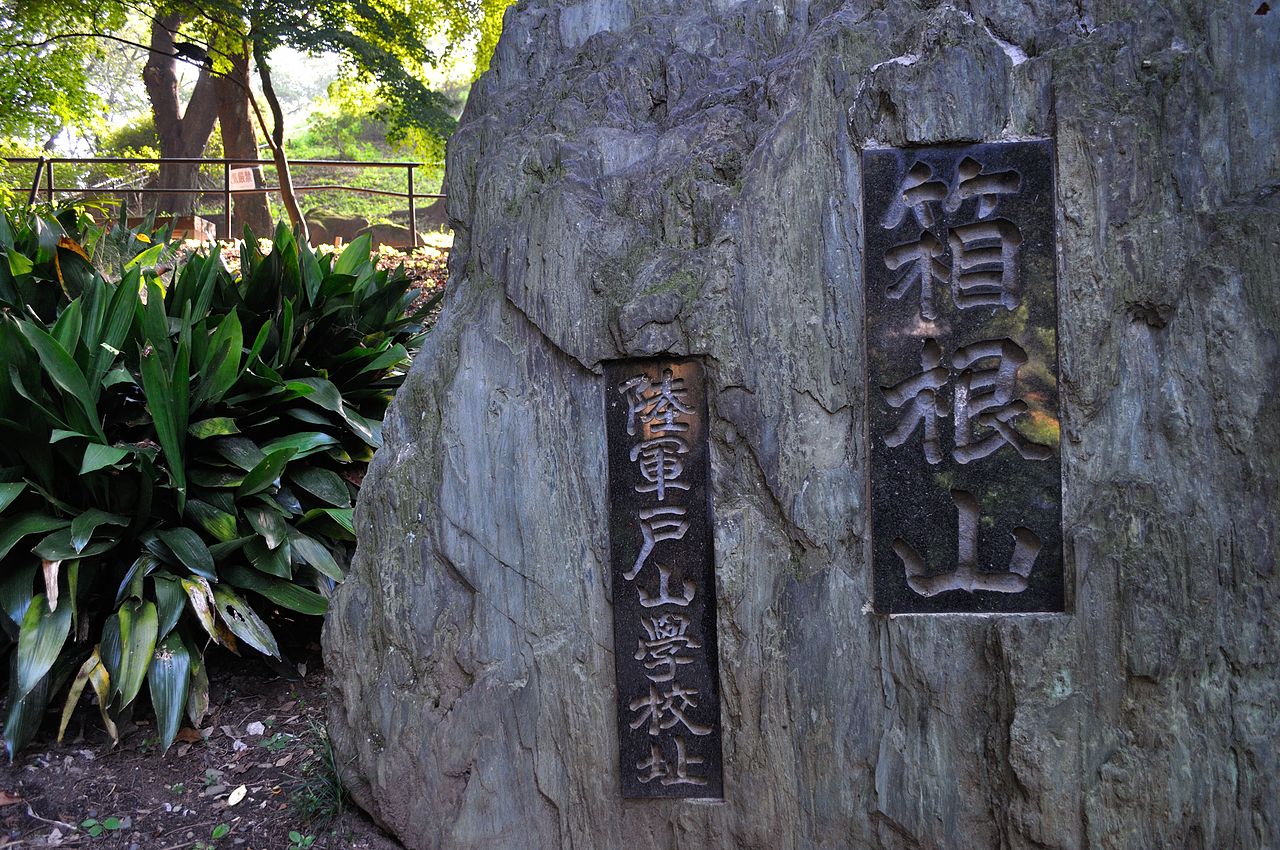
Site of the Imperial Japanese Army Toyama School (陸軍戸山学校, Rikugun Toyama Gakkō), established in 1873 in Shinjuku, Tokyo as the army's premier institution for infantry combat research and training. The school specialized in marksmanship, bayonet techniques, swordsmanship, gymnastics, and military music, and its military band was one of the most celebrated in Japan. During WWII, the adjacent Army Medical School conducted bacteriological warfare research linked to Unit 731. In 1989, the discovery of over 100 human remains at the nearby former Army Medical School site sparked major controversy over Japan's wartime biological experimentation program. The school closed in September 1945; today the area hosts the Japan Institute for Health Security (into which the National Center for Global Health and Medicine was reorganized in April 2025), Toyama Park, and residential developments, with memorial markers preserving the site's history.
Images


History
The Imperial Japanese Army Toyama School (陸軍戸山学校, Rikugun Toyama Gakkō) was the principal training and research institution of the Imperial Japanese Army for infantry warfare techniques. Established in June 1873 during the early Meiji era on the former estate of the Owari-han daimyo in Toyama, Ushigome (present-day Toyama, Shinjuku-ku, Tokyo), it was initially designated the Toyama Branch of the Army Cadet School before being renamed Toyama Gakkō in February 1874. The school's mission was to modernize Japan's military forces by systematically developing and standardizing infantry combat methods.
The school became Japan's center of excellence for marksmanship (射撃), bayonet techniques (銃剣術), short sword techniques (短剣術), military swordsmanship (軍刀術), physical training and gymnastics (体操), infantry unit tactics, and military music. The Toyama School Military Band (陸軍戸山学校軍楽隊) became one of Japan's most prestigious musical ensembles, performing at state ceremonies and producing numerous recordings. The martial art of Toyama-ryū iaidō, a practical sword-drawing technique developed for use with the military katana (guntō), originated from research conducted at the school and continues to be practiced worldwide today. Notably, the school's athletic grounds hosted the first three Japan National Track and Field Championships.
During the Pacific War, the Toyama School area took on a darker significance. The adjacent Imperial Japanese Army Medical School (陸軍軍医学校), located in the same Toyama district, housed the Epidemic Prevention Research Laboratory that served as the Tokyo headquarters for the notorious Unit 731 (731部隊) biological warfare program under Surgeon General Shirō Ishii. While the Toyama School itself focused on conventional infantry training, its proximity to the Army Medical School placed it at the geographic center of Japan's covert bacteriological warfare research network.
The most controversial legacy of the Toyama area emerged in July 1989, when construction work at the site of the former Army Medical School — then being developed for the National Institute of Infectious Diseases — unearthed a large number of human skeletal remains. Forensic analysis by anthropologist Hajime Sakura revealed over 100 individuals, many showing signs of surgical procedures, drill holes, and other evidence of medical experimentation. The remains were predominantly of East Asian origin, leading to persistent allegations that they were victims of Unit 731's human experimentation program, possibly transported from Harbin, Manchuria. Despite decades of investigation by citizens' groups and researchers, the Japanese government has never fully acknowledged the connection, and the remains were eventually placed in an ossuary on the grounds of the National Institute of Infectious Diseases.
The Toyama School was closed on September 10, 1945, following Japan's surrender. After the war, the vast military complex was dismantled and the land repurposed. Today the area hosts the Japan Institute for Health Security (国立健康危機管理研究機構, into which the National Center for Global Health and Medicine was reorganized in April 2025), parts of Toyama Park (戸山公園) including the Hakone-yama hill area, and residential neighborhoods. Stone monuments and memorial markers at several locations within Toyama Park and the surrounding area preserve the memory of the school's existence. The site stands as a complex testament to both Japan's military modernization and the darker aspects of its wartime history.
Categories
Related themes
Sources
- 陸軍軍医学校 - WikipediaWebsite
- 国立国際医療研究センター - WikipediaWebsite
- 陸軍戸山学校 - Wikipedia(日本語版)Website