Ujina Port (Imperial Army Transport Port)
広島宇品港(陸軍輸送港)
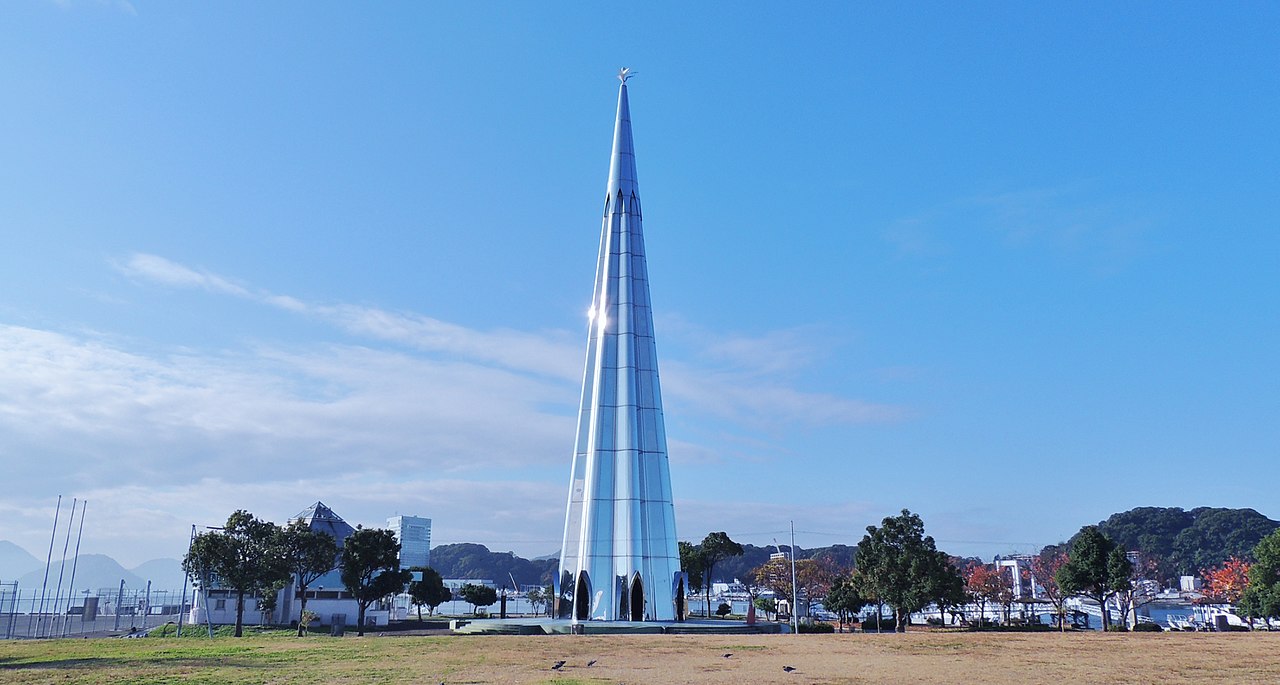
The Imperial Japanese Army's most critical embarkation port since the First Sino-Japanese War (1894). Constructed in 1889 under Hiroshima Prefecture Governor Senda Sadaaki, Ujina Port served as the primary departure point for continental troop deployments across every major conflict from the Sino-Japanese War through World War II. The Army Ship Command (船舶司令部), known by the code name "Akatsuki" (暁部隊), was headquartered here, commanding over 300,000 personnel and 1,000+ transport vessels. After the atomic bombing on August 6, 1945, the Ship Command — located approximately 4.6 km from the hypocenter — organized the first large-scale rescue operations in the devastated city.
Images


History
Ujina Port (宇品港, now part of Hiroshima Port / 広島港) was the Imperial Japanese Army's single most important embarkation and logistics port from the Meiji era through the end of World War II. Located in the Ujina district of Minami-ku, Hiroshima City, the port's military significance spanned more than half a century of Japanese expansionism.
CONSTRUCTION AND EARLY HISTORY
The port was constructed between 1884 and 1889 under the leadership of Hiroshima Prefecture Governor Senda Sadaaki (千田貞暁), who used his personal funds and raised public contributions to complete the ambitious project of reclaiming land and building harbor facilities at the mouth of the Enko River (猿猴川). The project was initially ridiculed as impractical, but Senda's persistence resulted in a functioning commercial port by 1889 (Meiji 22).
SINO-JAPANESE WAR (1894-1895)
When the First Sino-Japanese War erupted in 1894, Ujina's strategic value was immediately recognized. Emperor Meiji relocated the Imperial General Headquarters (大本営) to Hiroshima Castle, and the Sanyo Railway rapidly constructed a military rail line (the Ujina Line / 宇品線) connecting Hiroshima Station to the port, completed in just 17 days (August 4–20, 1894). Ujina became the primary embarkation point for the 5th Division and subsequent reinforcements deploying to the Korean Peninsula and Manchuria. This war transformed Hiroshima from a regional castle town into Japan's foremost "military capital" (軍都).
RUSSO-JAPANESE WAR AND INTERWAR PERIOD
During the Russo-Japanese War (1904-1905), the Army Transport Department (陸軍運輸部) was formally established in 1904, with its headquarters at Ujina. The port's original pier, converted to military use and known after the war as the Rokkan Pier (六管桟橋), served as the central embarkation facility. Troops detrained at Hiroshima Station, marched to Ujina, and boarded transport vessels for deployment to Port Arthur, Manchuria, and other theaters.
UJINA KAISENKAN (TRIUMPHAL RETURN HALL)
The Ujina Kaisenkan (宇品凱旋館) was constructed in 1939 (Showa 14) within the Army Transport Department compound as a reception and comfort facility for departing and returning soldiers, as well as wounded servicemen. The main building was a three-story reinforced concrete structure featuring VIP rooms, a stage, and assembly halls. At the time of the atomic bombing, the Ship Command was housed in the Kaisenkan. The building was later used by the 6th Regional Japan Coast Guard Headquarters before being demolished in December 1974. A memorial stone (宇品凱旋館建設記念碑) now stands in Ujina Central Park (宇品中央公園) on the former site, alongside monuments to the Army Transport Ship Command and an imperial visit by Emperor Meiji.
CHINA AND PACIFIC WARS
With the outbreak of the Second Sino-Japanese War in 1937, the 1st Ship Transport Command (第1船舶輸送司令部) was mobilized and headquartered at Ujina. In 1942, this was reorganized into the army-level Ship Command (船舶司令部), an enormous organization commanding approximately 300,000 personnel — including sailors, engineers, and civilian employees — and operating over 1,000 large transport vessels. The unit bore the code name "Akatsuki" (暁), said to be derived from the name of Senda Sadaaki (千田貞"暁"), the governor who built the port. Branch offices were established at 12 locations across the empire, including Moji, Osaka, Busan, Dalian, and Takao (Kaohsiung).
The Ship Command was responsible not merely for troop transport but for the entire maritime logistics chain: vessel allocation, loading operations, convoy coordination, supply delivery, and the return of wounded and remains. Ujina was the nerve center from which Japan projected military power across the Asian continent and the Pacific.
ATOMIC BOMBING AND AFTERMATH (AUGUST 6, 1945)
Located approximately 4.6 kilometers south of the atomic bomb hypocenter, the Ujina area suffered relatively light structural damage compared to central Hiroshima. Ship Command headquarters, under Commander Lieutenant General Saeki Bunro (佐伯文郎), survived largely intact. On August 7, Saeki established the "Hiroshima Security Headquarters" (広島警備本部) and mobilized the Akatsuki units for citywide rescue, relief, and security operations. The Ship Command's medical corps treated thousands of survivors who had fled south toward the port. Ujina also served as a key evacuation point, with survivors transported by boat to Ninoshima Island (似島) for triage and treatment.
POST-WAR REPATRIATION
After Japan's surrender, Ujina Port took on a new role as one of the nation's principal repatriation ports, receiving hundreds of thousands of demobilized soldiers and civilian repatriates returning from China, Southeast Asia, and the Pacific islands.
PRESENT-DAY REMAINS
The former military pier site (旧陸軍桟橋跡) is preserved within Ujina Hatoba Park (宇品波止場公園), where remnants of the Rokkan Pier and tracks from the defunct Ujina Line are displayed. Ujina Central Park contains multiple memorial stones including the Ship Command monument (erected February 1955 by the Akatsuki Association), the Kaisenkan memorial, and the Emperor Meiji imperial visit marker. The former Hiroshima Water Police Station (built 1909, an A-bombed structure) survives nearby at Ujina-kaigan 2-chome.
Categories
Related themes
Sources
- 宇品線 - Wikipedia(日本語版)Website
- 船舶司令部 - Wikipedia(日本語版)Website
- Web展示会「絵はがきからたどる広島あの頃 市街南部」宇品 - 広島市Government